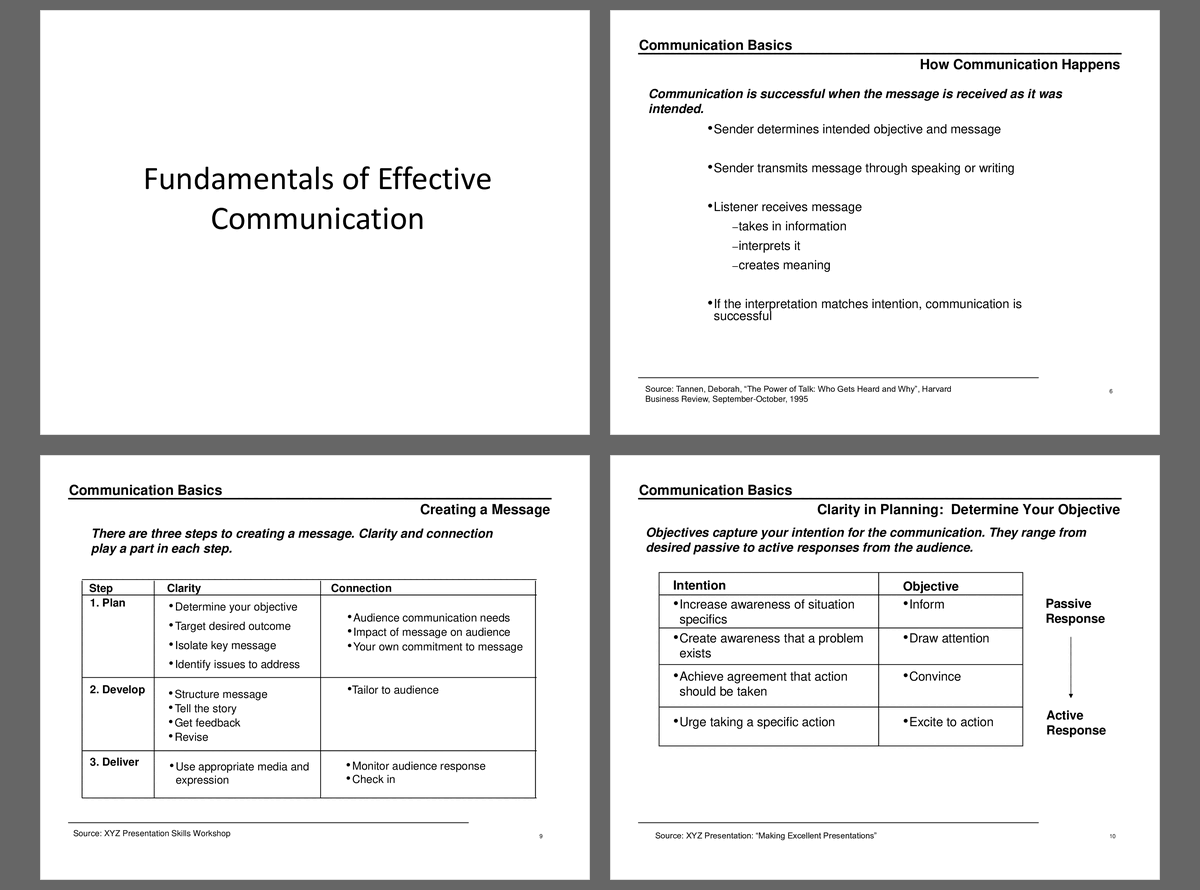

This deck is a training presentation of a major consulting firm on effective communication.
Contents include:
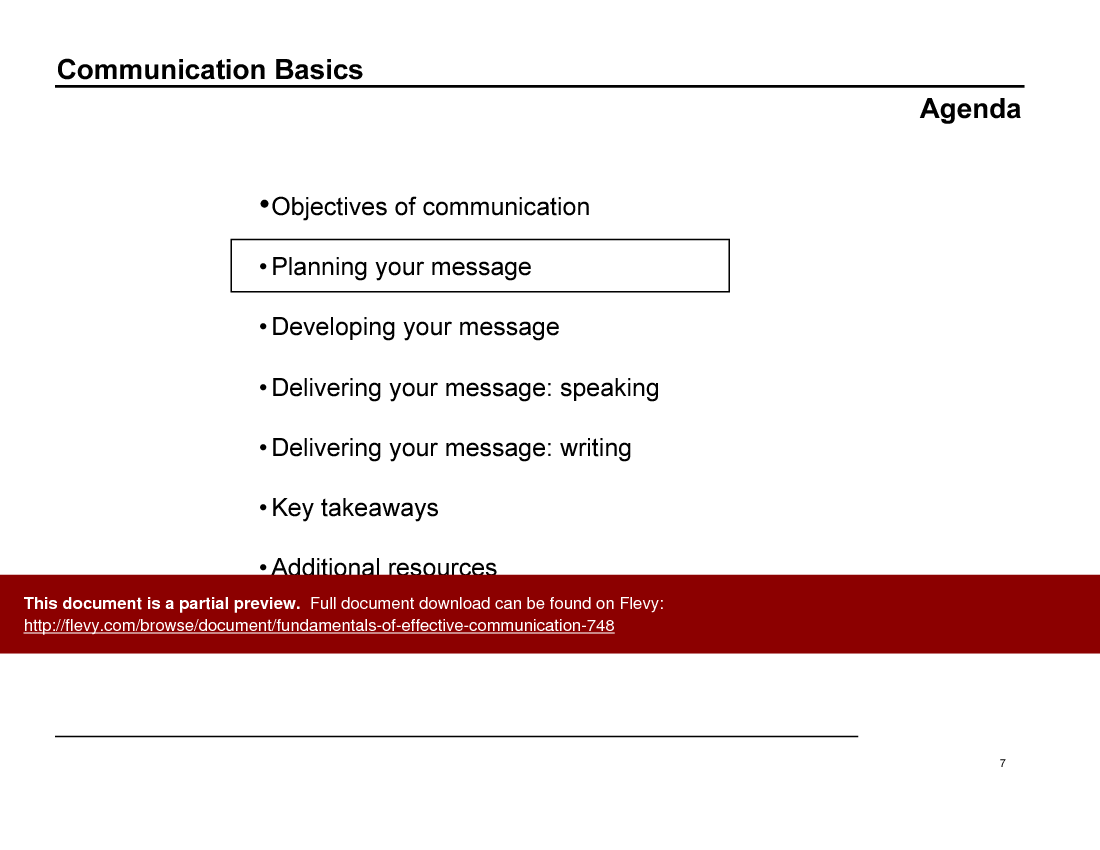
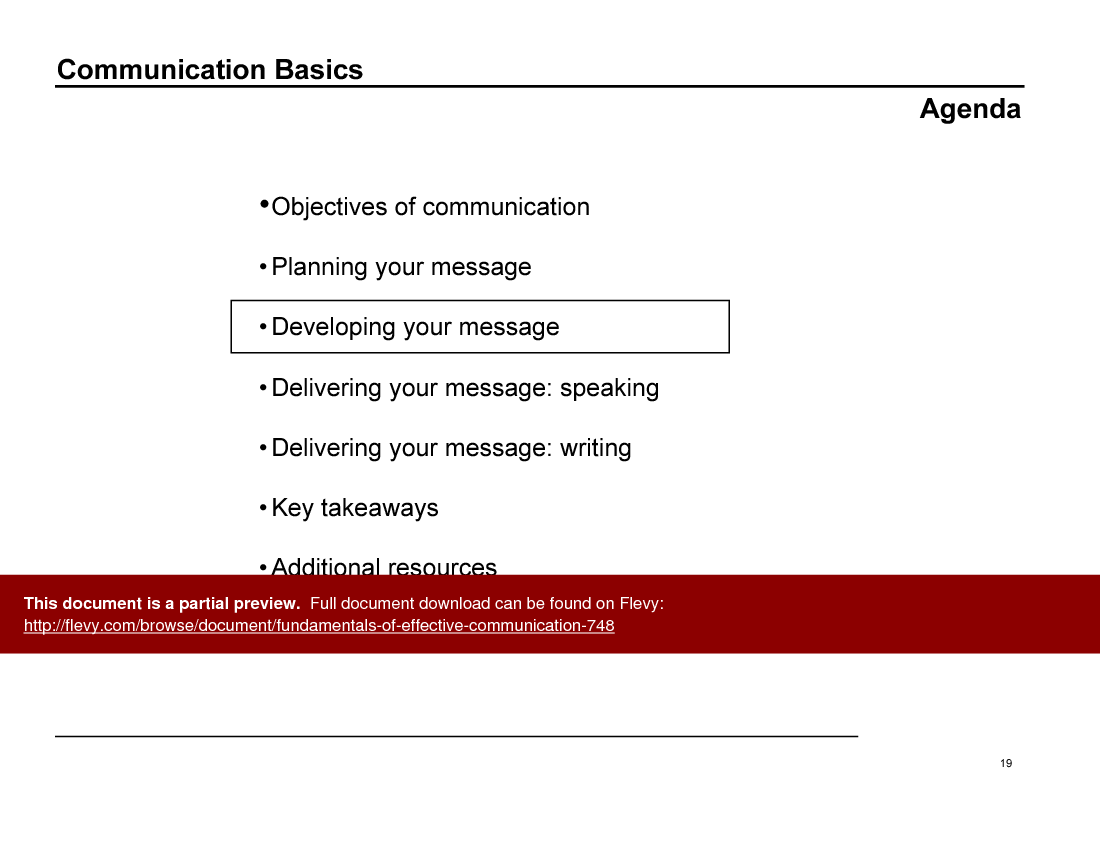
• Objectives of communication
• Planning your message
• Developing your message
• Delivering your message: speaking
• Delivering your message: writing
• Key takeaways
• Additional resources
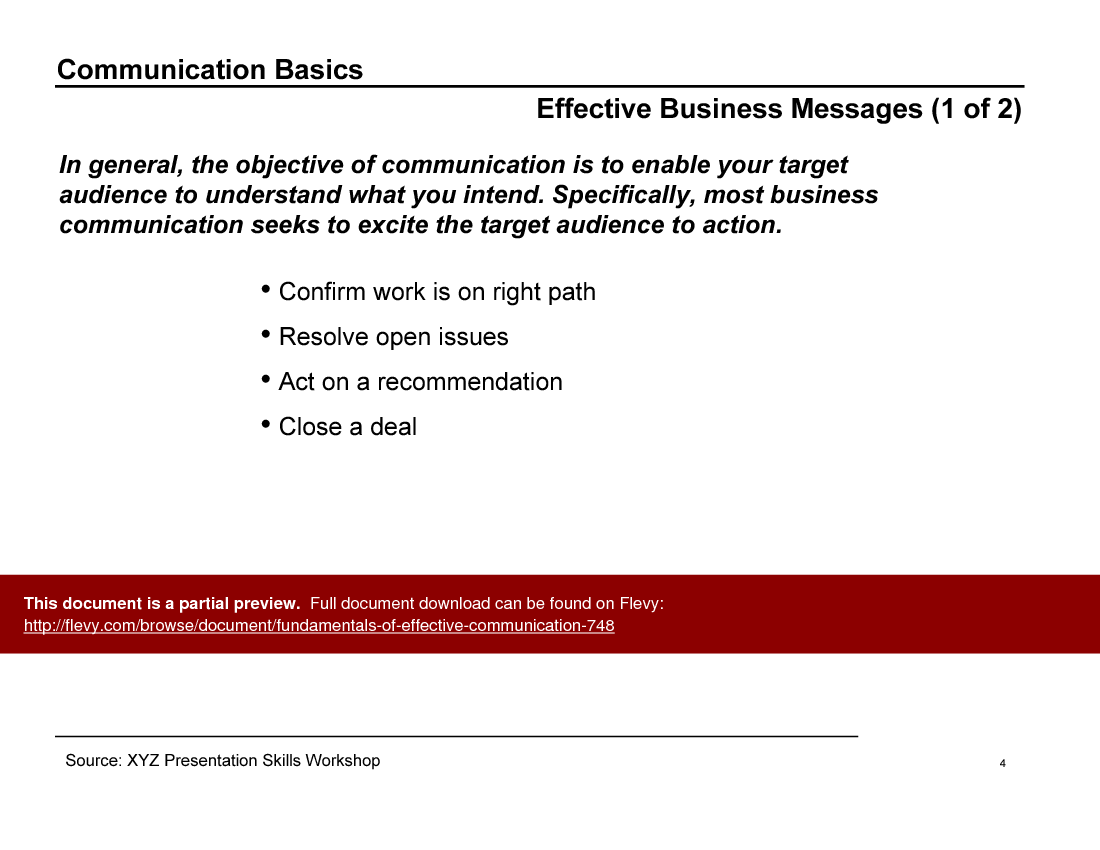
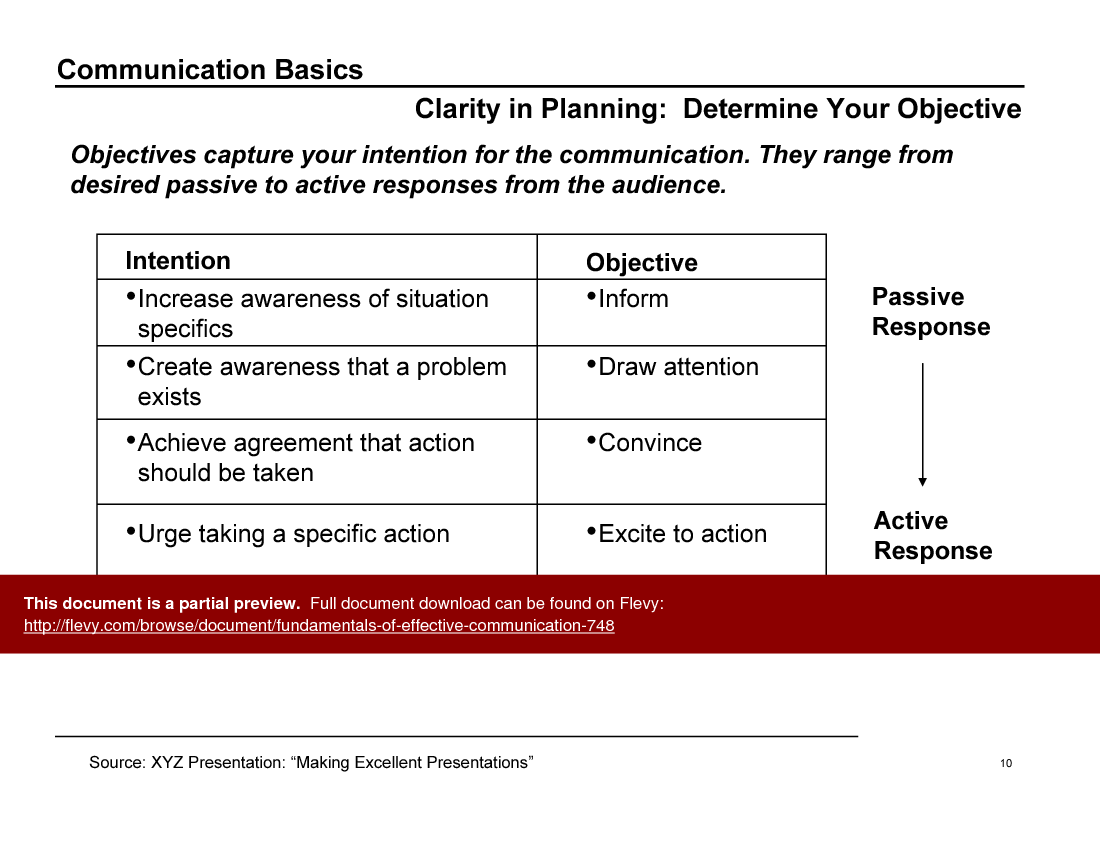
This presentation delves into the core principles of effective communication, emphasizing the importance of clear objectives and structured planning. It highlights how to craft messages that not only inform, but also drive action, ensuring your audience is aligned with your goals. The deck provides a comprehensive framework for identifying key issues, organizing data, and understanding the potential impact of your message on different stakeholders.
The document also covers the nuances of delivering messages both orally and in writing. It offers practical advice on using plain English, avoiding jargon, and ensuring your communication is precise and engaging. The focus is on making your message easy to understand and compelling, which is crucial for maintaining audience interest and achieving your desired outcomes.
In addition, the presentation addresses the critical aspect of listening. It outlines a four-step process to enhance understanding and reduce misunderstandings, ensuring that your communication is a two-way street. This is vital for building trust and fostering effective collaboration within your organization.
The deck includes key takeaways and additional resources to reinforce learning and provide further guidance. Whether you are looking to refine your communication skills or train your team, this presentation offers valuable insights and practical tools to enhance your effectiveness.
Got a question about the product? Email us at support@flevy.com or ask the author directly by using the "Ask the Author a Question" form. If you cannot view the preview above this document description, go here to view the large preview instead.
Executive Summary
The Fundamentals of Effective Communication PowerPoint presentation is a consulting-grade resource designed to enhance business communication skills. This deck, structured with the precision and clarity expected from McKinsey, Bain, or BCG-quality materials (not affiliated), equips corporate executives, integration leaders, and consultants with essential strategies for planning, developing, and delivering impactful messages. Users will learn to craft messages that resonate with their audience, ensuring clarity and connection, ultimately driving desired actions.
Who This Is For and When to Use
• Corporate executives aiming to refine their communication strategies
• Integration leaders needing to convey complex ideas clearly
• Consultants seeking to enhance client presentations and interactions
• Team leaders responsible for delivering effective messages in meetings
Best-fit moments to use this deck:
• During training sessions focused on communication skills
• When preparing for high-stakes presentations or meetings
• To guide teams in developing clear and effective business messages
Learning Objectives
• Define the objectives of effective communication in a business context
• Build structured messages that engage and inform the audience
• Establish clarity and connection through tailored communication
• Develop techniques for delivering messages effectively, both orally and in writing
• Create compelling narratives that drive audience action
• Utilize feedback to refine communication strategies
Table of Contents
• Objectives of Communication (page 2)
• Planning Your Message (page 3)
• Developing Your Message (page 20)
• Delivering Your Message: Speaking (page 33)
• Delivering Your Message: Writing (page 42)
• Key Takeaways (page 55)
• Additional Resources (page 57)
Primary Topics Covered
• Objectives of Communication - Understanding the purpose behind communication efforts, including informing and persuading the audience to take action.
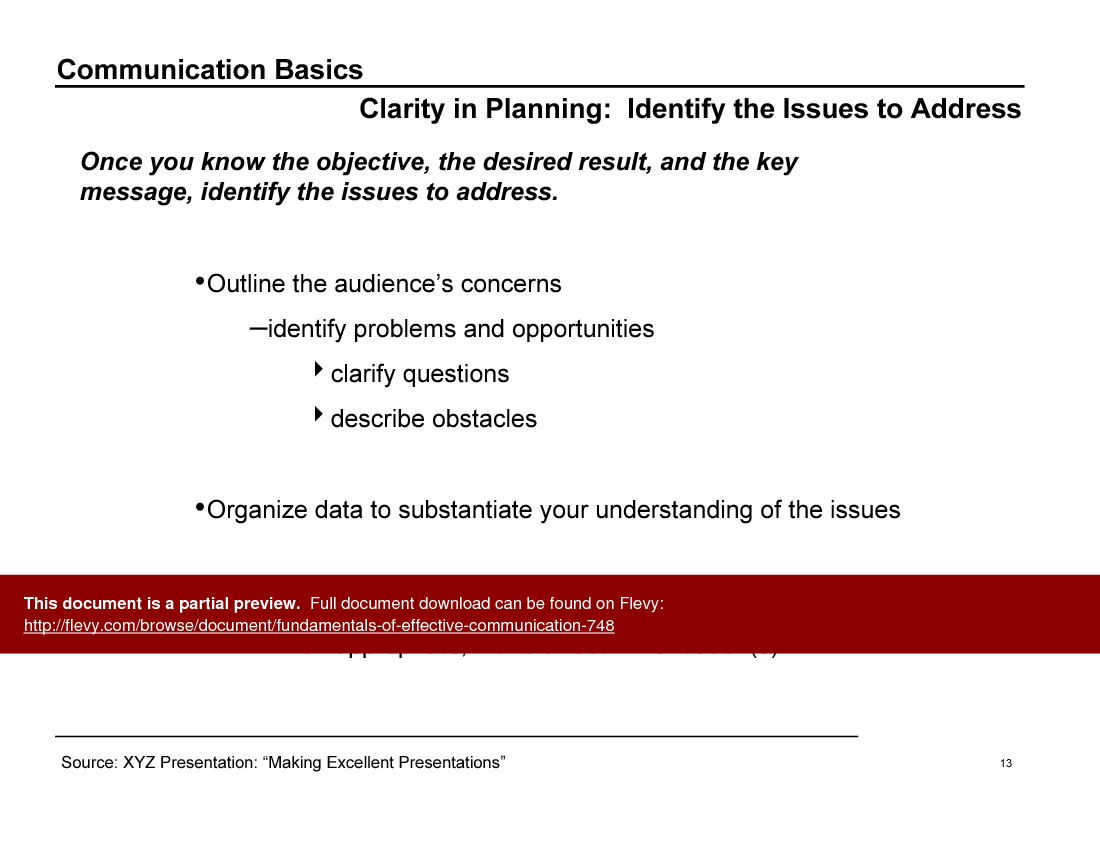
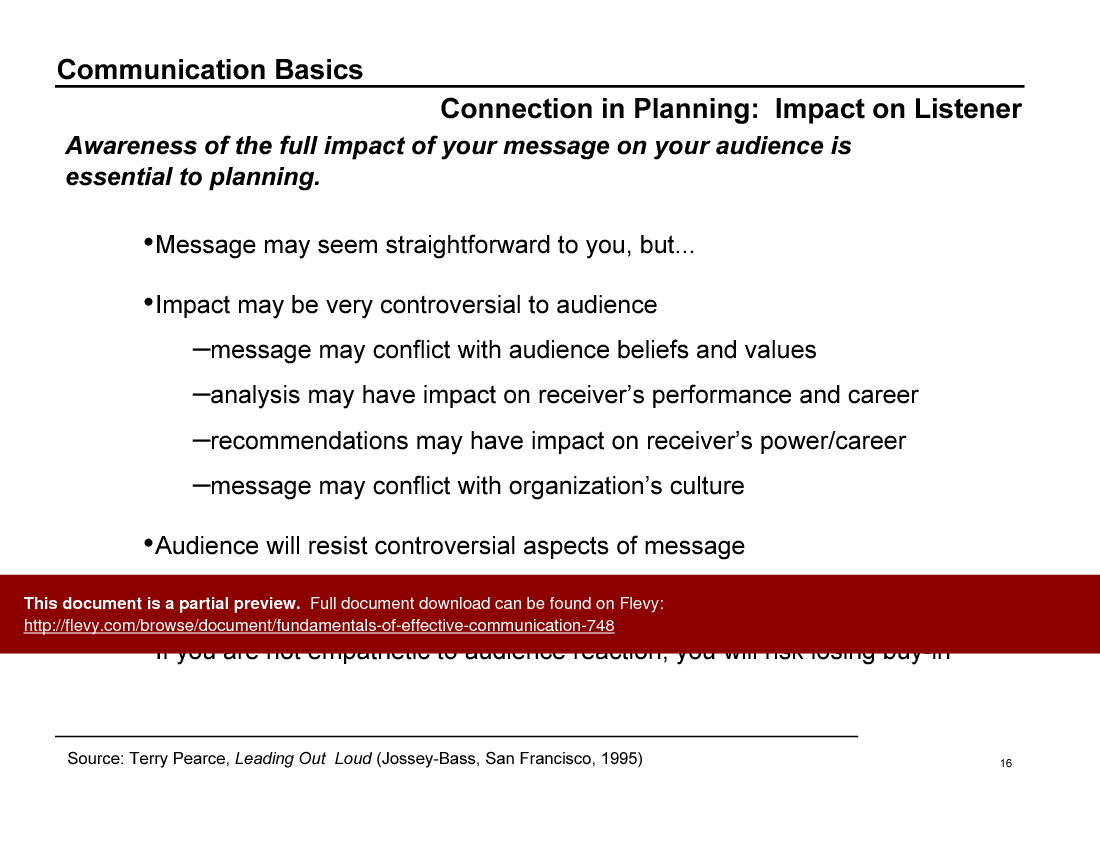
• Planning Your Message - Steps to determine objectives, desired outcomes, and key messages tailored to audience needs.
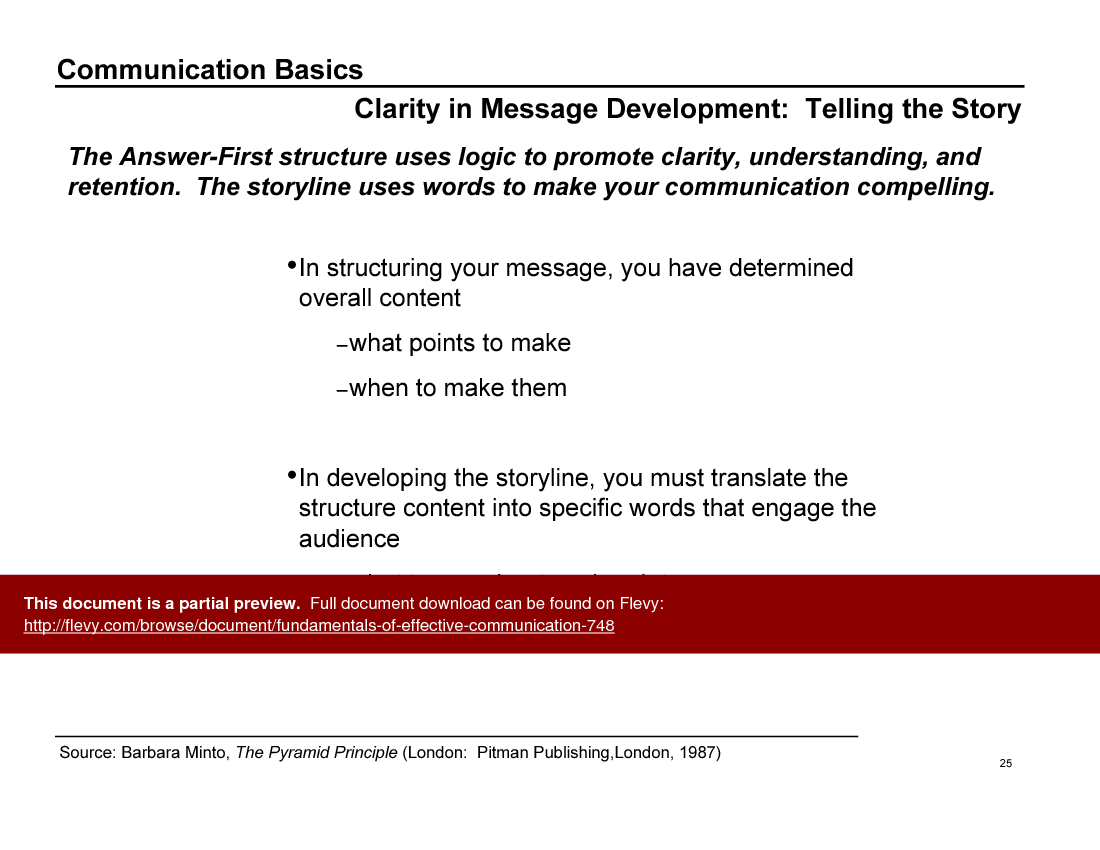
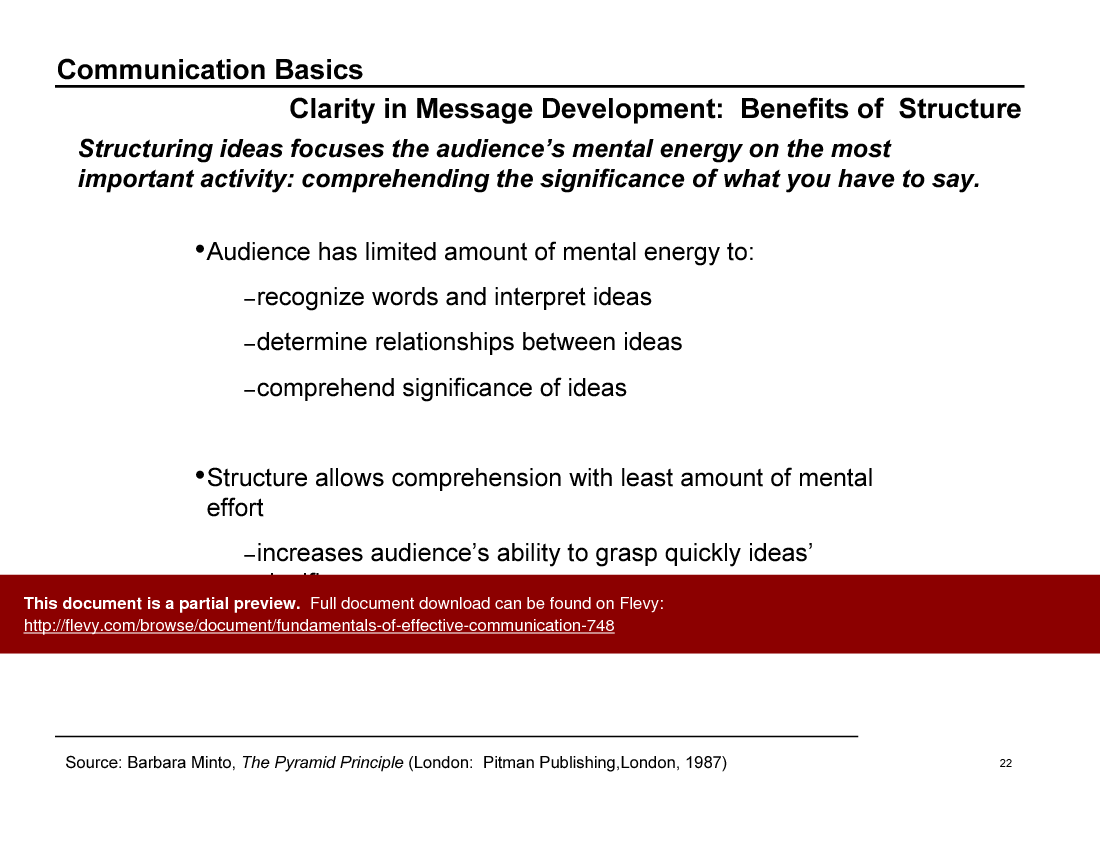
• Developing Your Message - Structuring messages logically and clearly to enhance audience comprehension and retention.
• Delivering Your Message: Speaking - Techniques for effective oral communication, including audience engagement and clarity in delivery.
• Delivering Your Message: Writing - Guidelines for crafting clear, concise, and impactful written communication.
• Key Takeaways - Summarized insights and strategies for effective communication practices.
Deliverables, Templates, and Tools
• Message planning template to outline objectives and key messages
• Audience analysis framework to assess communication needs
• Feedback collection tool to refine messages based on audience input
• Structured writing guide to ensure clarity and precision in written communication
• Presentation checklist to prepare for effective delivery
Slide Highlights
• Overview of communication objectives and their importance in business contexts
• Step-by-step guide for planning and developing messages
• Visual representation of the Answer-First structure for organizing communication
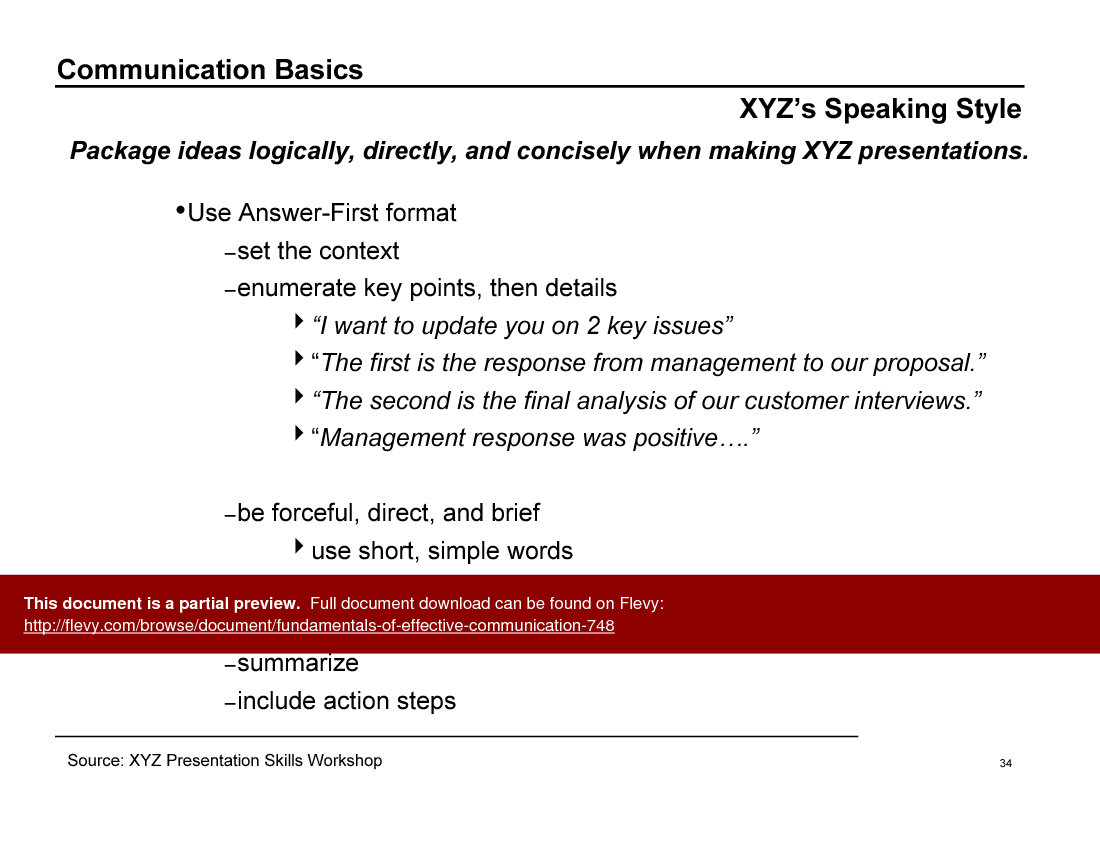
• Key speaking guidelines that enhance audience engagement
• Writing tips that emphasize clarity, precision, and active voice
Potential Workshop Agenda
Introduction to Effective Communication (30 minutes)
• Overview of communication objectives
• Discussion on the importance of audience analysis
Message Planning and Development (60 minutes)
• Steps for planning messages
• Group activity: Drafting key messages
Delivery Techniques (45 minutes)
• Best practices for speaking effectively
• Role-playing exercises for audience engagement
Writing for Impact (30 minutes)
• Guidelines for clear and concise writing
• Peer review of written communication samples
Customization Guidance
• Tailor the message planning template to reflect specific organizational goals and audience characteristics
• Adjust examples and scenarios to align with industry-specific contexts
• Incorporate company terminology and branding elements into communication materials
Secondary Topics Covered
• Importance of clarity and connection in communication
• Techniques for engaging diverse audiences
• Strategies for managing audience feedback and reactions
• The role of conviction and personal commitment in effective messaging
FAQ
What are the main objectives of effective communication?
The main objectives include enabling understanding, motivating action, and fostering relationships with the audience.
How can I ensure my message resonates with my audience?
Conduct thorough audience analysis to tailor your message to their needs and preferences, ensuring relevance and clarity.
What is the Answer-First structure?
The Answer-First structure organizes communication by presenting key points first, followed by supporting details, enhancing clarity and retention.
How important is feedback in the communication process?
Feedback is crucial as it helps refine your message, ensuring it meets audience needs and addresses any misunderstandings.
What techniques can I use for effective oral delivery?
Engage your audience through eye contact, active listening, and concise, clear speech to enhance understanding and connection.
What writing style should I adopt for business communication?
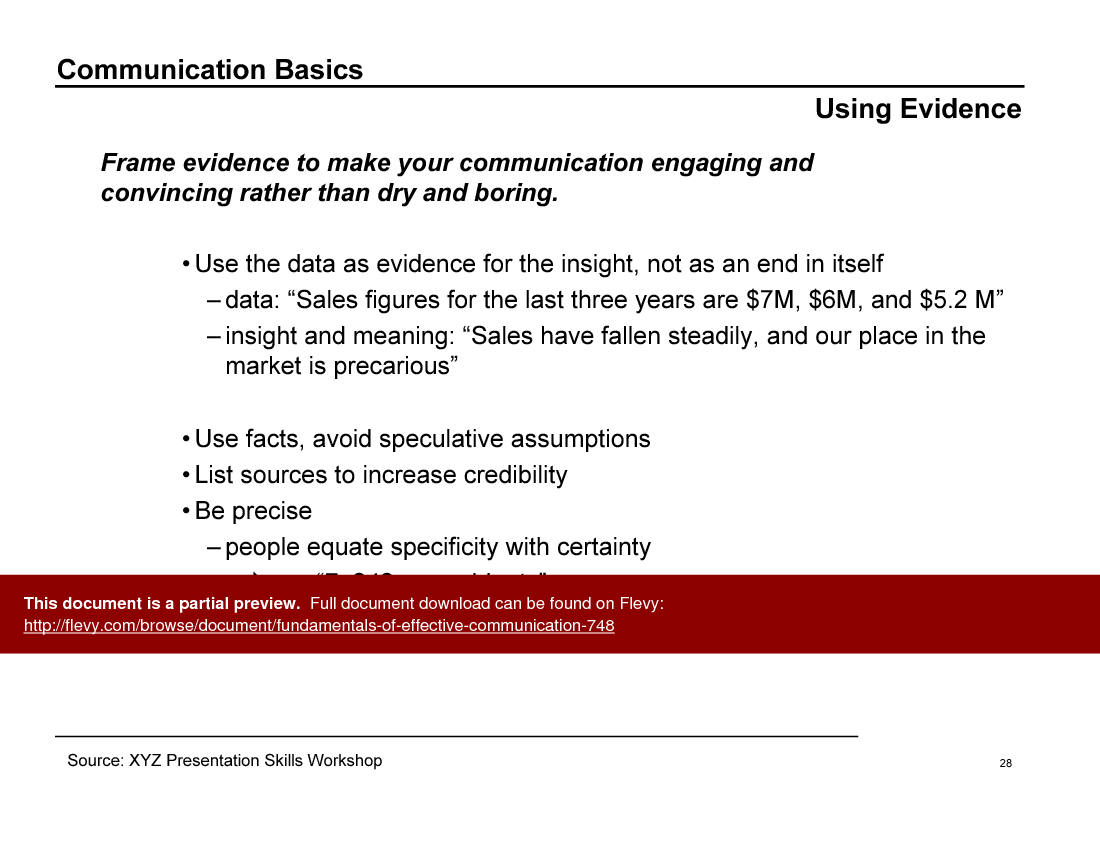
Use active voice, precise language, and plain English to ensure clarity and engagement in your written messages.
How can I improve my audience's retention of my message?
Use relevant examples, analogies, and periodic summaries to reinforce key points and facilitate understanding.
What resources are recommended for further developing communication skills?
Consider reading materials such as "The Pyramid Principle" by Barbara Minto and "Leading Out Loud" by Terry Pearce for deeper insights into effective communication.
Glossary
• Active Voice - A sentence structure where the subject performs the action, enhancing clarity.
• Audience Analysis - The process of understanding the audience's needs, preferences, and characteristics to tailor communication effectively.
• Clarity - The quality of being clear and easy to understand in communication.
• Connection - The relationship established between the speaker and the audience, crucial for effective communication.
• Feedback - Information provided by the audience regarding their understanding and interpretation of the message.
• Message Structure - The organization of ideas within a communication to promote clarity and retention.
• Precision - The quality of being exact and accurate in language and messaging.
• Succinctness - The quality of being brief and to the point in communication.
• Timeliness - The relevance of delivering a message at the appropriate moment for maximum impact.
• Writing Style - The manner in which written communication is crafted, including tone, structure, and clarity.
• Conviction - The speaker's belief in their message, which influences audience acceptance.
• Engagement - The process of capturing and maintaining audience interest and participation in communication.
Source: Best Practices in Presentation Development, Communications Strategy PowerPoint Slides: Fundamentals of Effective Communication PowerPoint (PPT) Presentation Slide Deck, Documents & Files
This document is available as part of the following discounted bundle(s):
Save %!
Essential Consulting Skill Builder
This bundle contains 19 total documents. See all the documents to the right.
|
Receive our FREE whitepaper on the Top 101 Consulting Frameworks
Download our 200+ page guide summarizing the Top 101 Management Consulting Frameworks. Each framework provides a structured approach to analyzing and solving a common business problem. |